

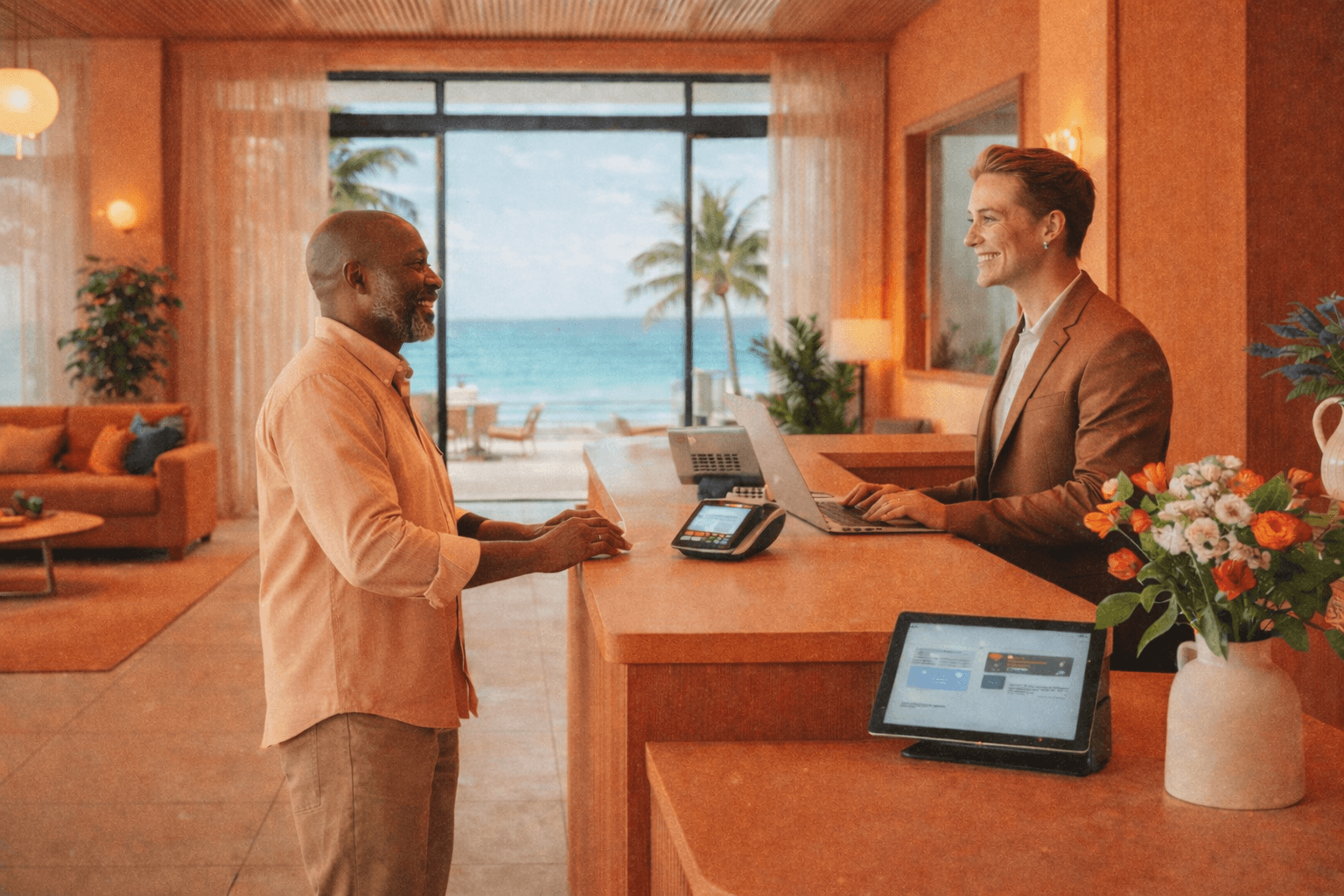
When a potential guest lands on a hotel website, the decision to stay or leave happens extremely fast. Research shows that users form an opinion about a website in just 5 seconds, which is faster than conscious thought. Within this timeframe, visitors decide whether the website feels trustworthy, relevant, and worth exploring further.
This concept is widely known as the 5 second rule in web design. It highlights how quickly users judge a website based on layout, clarity, visuals, and usability.
For hotels, these first seconds directly affect bookings. A website is not just a digital brochure. It is the first interaction with the guest and often replaces the front desk experience.
TL;DR – Why First Impressions Matter in Hotel UX?
Hotel websites are judged within seconds, and those early moments strongly influence booking decisions. Research shows that most first impressions are design driven, which makes UX design critical for hospitality brands. Guests quickly assess clarity, credibility, and ease of use before choosing to stay or leave.
A well structured layout, strong visual hierarchy, fast loading pages, and visible trust signals help users understand the hotel offering immediately. Visual elements improve comprehension and reduce hesitation, especially during the booking journey. When hotel websites prioritise usability and design clarity, they build trust faster, improve guest confidence, and increase the likelihood of direct bookings.
Why First Impressions Matter for Hotel Websites?
In hospitality, trust and comfort influence booking decisions. Studies show that 75 percent of users judge a company’s credibility based on website design alone. If the website looks outdated, slow, or confusing, users assume the hotel experience will be the same.
Hotel guests typically want answers immediately.
- Where is the hotel located?
- What type of experience does it offer?
- Can I book this hotel easily and safely?
If these questions are not answered within a few seconds, users leave and move to another hotel website or an OTA.
UX Design and the 5 Second Rule
User experience design focuses on reducing effort and increasing clarity. In the first few seconds, users do not read content. They scan visual signals such as headlines, images, spacing, buttons, and navigation.
Good UX design ensures that –
- The hotel’s value is instantly clear
- Navigation feels simple and familiar
- The booking path is visible and easy
Research discussed by Mighty Fine Design confirms that users decide whether a website is useful almost immediately based on structure and visual clarity.
How Kripa Designs Hotel Websites for Instant Understanding
At Portico Webworks, UX Designer Kripa follows a user-first design approach that aligns directly with the 5 second rule. Her process is grounded in usability principles, behavioural design, and hospitality-specific user expectations.
Clear Above the Fold Structure
Kripa designs the first visible screen to communicate the hotel’s identity instantly. This includes
- A clear headline that explains the hotel offering
- High quality room or property visuals
- A visible and actionable booking button
This ensures users understand what the hotel is and what to do next without scrolling.
Strong Visual Hierarchy
Visual hierarchy guides the eye naturally. Kripa prioritises content order so users see the most important information first. Headlines, imagery, and calls to action are placed intentionally to reduce confusion and hesitation.
Speed and Performance Focus
Page speed is critical for first impressions. Slow loading websites increase bounce rates and reduce trust. Kripa optimises image sizes, layout structure, and interaction elements to ensure fast load times, especially on mobile devices.
Trust Signals in Early View
Hotel guests need reassurance. Kripa places trust indicators such as
- Guest reviews
- Awards or recognitions
- Secure booking cues
These elements appear early on the page to establish credibility immediately.
Hotel UX Elements That Improve First Impressions
Based on UX research and hospitality behaviour patterns, the following elements are essential within the first 5 seconds –
- Clear and benefit-driven headlines
- Simple navigation with familiar labels
- High quality visuals that reflect the real experience
- Visible booking actions
- Clean spacing and readable typography
LinkedIn UX research discussions highlight that clarity and simplicity outperform complex designs when it comes to first impressions.
What Design Statistics Reveal About Guest Behaviour on Hotel Websites
In hotel website design, first impressions directly influence whether a visitor becomes a guest. Multiple studies confirm that 94 percent of first impressions are design related, which shows how strongly layout, structure, and visual clarity shape user perception. When a guest lands on a hotel website, they instantly judge the quality of the stay based on how the site looks and feels.
Design elements such as visual hierarchy, spacing, imagery, and readability help users understand the hotel offering quickly. A cluttered or confusing layout creates doubt, while a clean and structured design builds confidence within seconds.
Research also shows that 75 percent of users judge a company’s credibility based on its website design. For hotels, credibility is closely tied to safety, comfort, and reliability. If a website appears outdated or poorly organised, users often assume the same about the property and move on to competitors or OTAs.
Visual communication plays an equally important role. Studies reveal that people following instructions with both text and images perform 323 percent better than those using text alone. In a hotel website context, this means room images, icons, and visual cues help guests understand amenities, layouts, and booking steps faster, reducing hesitation and confusion.
Marketing leaders also recognise this impact. 65 percent of senior marketing executives believe visual assets are central to brand communication. For hotels, visuals do more than decorate a page. They set expectations, trigger emotions, and reinforce brand identity. Colour palettes, photography style, and iconography influence how luxurious, welcoming, or family friendly a hotel feels within the first few seconds.
Business Impact of Getting the First Impression Right
A strong first impression improves
- Time spent on site
- Direct booking rates
- Brand trust
- Guest confidence
Sources report that 72 percent of customers share positive experiences, while negative impressions spread faster and wider. A poor website experience can silently cost hotels bookings every day.
Conclusion
The 5 second rule is not a design trend. It is a behavioural reality. Hotel websites must communicate value, trust, and direction almost instantly. Through UX-led design decisions, performance optimisation, and hospitality-focused thinking, Kripa at Portico Webworks ensures hotel websites are understood within seconds, not minutes.
When first impressions are clear, confident, and user-friendly, guests are far more likely to stay, explore, and book directly.